Half a Year
A small summer update and surprising recipe

The year is already half over, and I missed the strawberry moon. I’ve been working, or really just hiding out. I’ve been steadily paying off some debt and reading big books.
On my “summer to-do list,” I’ve already crossed off one of my goals, which was to read 750 pages of Too Much of Life, a collection of Clarice Lispector’s cronicas. I did this in three weeks, which was surprising, but I love Lispector’s work. Her cronicas are bite-sized, witty, and easy to absorb. I think this is why sometimes people write her off, but I’ve always found her to be a genius with words. Whenever a woman writes candidly about her feelings or the milieu of everyday life, she gets panned as overrated. Lispector is very much aware of her “unliterary” nature in her cronicas. In fact, it’s refreshing to see her lament her inability, experiencing something akin to imposter syndrome when she was a celebrity in Brazil and abroad.
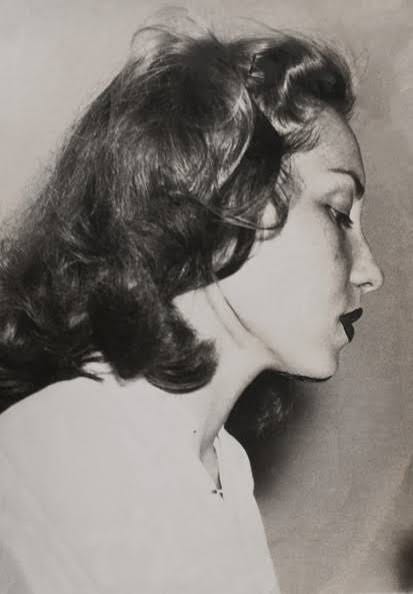
Something I love about her cronicas is their randomness. She often complains that she’s not doing them right, and though I haven’t read many cronicas outside of hers, I can see how she could be seen as an avant-garde cronista. But her cronicas have shape. They have her particular voice; one could imagine them bubbling off the page, making their own sounds. When I open the newspaper, I want to read about how a beautiful woman wishes she were dead.
In one of my favorites of her cronicas, Lispector talks about her love of coffee. Brazilians take coffee very seriously, and she had to be taught how to make a proper cup. Lispector, of course, had to take this a step further and ask her coffee teacher how to make a proper coffee cocktail. Here’s the recipe:
an ounce of vodka
an ounce of sherry brandy
an ounce of vermouth
half an ounce of strong coffee
sugar (to taste)
an olive to garnish
Lispector advises us to serve “chilled.” I honestly can’t imagine what this would taste like, and if you make it, you have to tell me.

Lispector stopped publishing cronicas in 1973, due to, as her son suspects, antisemitism. This was during a particularly perilous time in Brazilian history, which Lispector often spoke about in her column. This could be another reason why she was ousted, though she would pass away a few years later in 1977. If you’re interested in learning about the Brazilian military dictatorship in the 70s, The Secret Agent would make a great companion piece to Lispector’s cronicas. You can even enjoy the film with Lispector’s coffee cocktail.
When I was a teenager, years before I would read Lispector, I would listen to The Smiths’ song Half a Person on repeat. I feel like Lispector would’ve appreciated these lyrics, which I always keep in my back pocket:
She was left behind, and sour,
and she wrote to me truly dour.
She said in the days when you were hopelessly poor,
I just liked you more.
I hope I am not so sour, and truly dour, this summer. I am trying to get to where everyone else is; maybe I’ll have more fun next summer.